
The Complete Grout Color Guide — Real Examples with Photos
Light or dark? Match or contrast? The honest answers — with real project photos from Southern NH and Northern MA homes — so you don't make a decision you'll regret for 20 years.

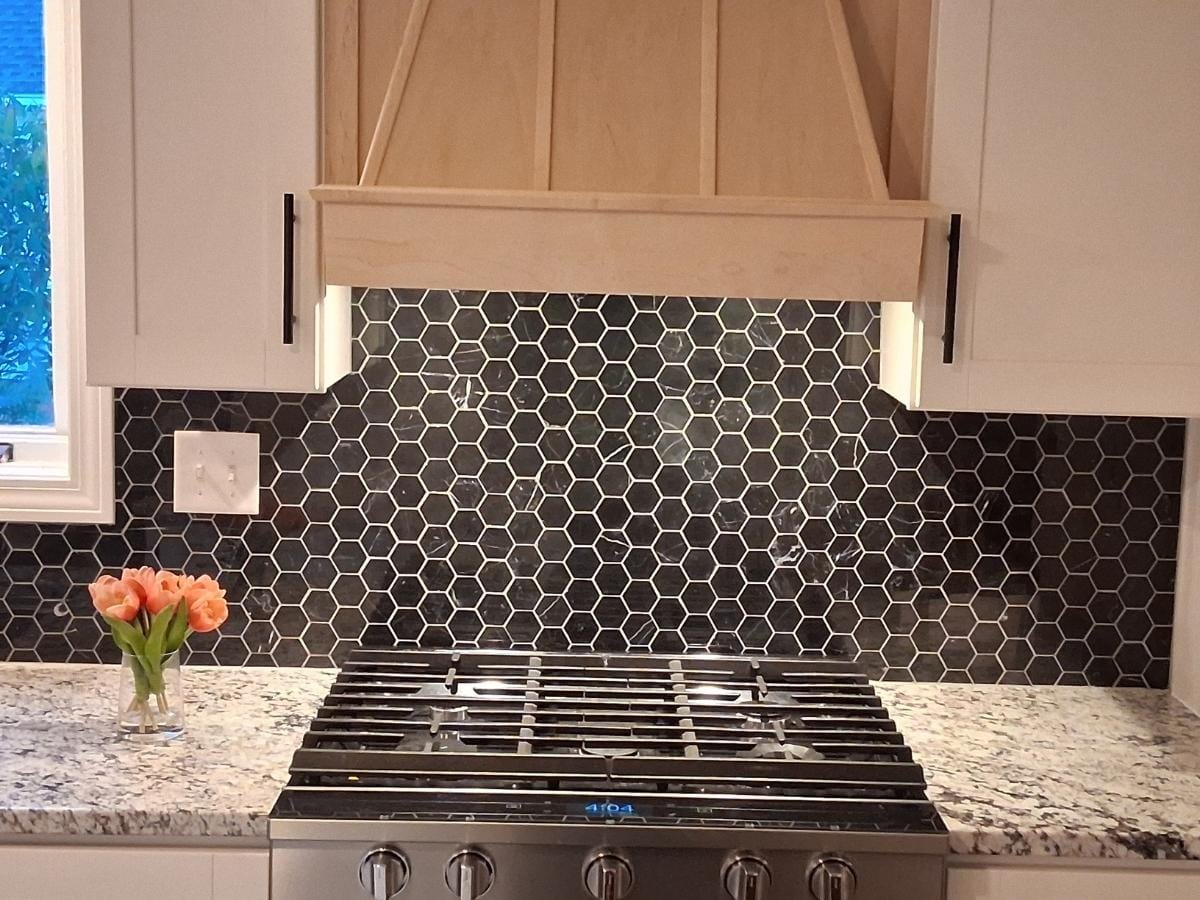
Subway tile with charcoal grout · Kitchen backsplash · Northern MA · 2026
Grout color is the decision most homeowners make last — and regret first. The tile gets all the attention, but it's the grout that determines whether a floor looks seamless or segmented, timeless or dated, easy to clean or a weekly nightmare. We've grouted thousands of floors across Southern NH and Northern MA. This is everything we know.
Match or Contrast? That's the Real Question.
Everything else — light vs. dark, warm vs. cool — flows from this one choice. Here's the honest breakdown of both sides.
Matching Grout
Choose grout that closely matches your tile color and the tile becomes the star — the surface reads as one continuous material. This is the seamless, calm, spa-like choice. It's also significantly more forgiving if your tile installation has minor imperfections in joint width.
Best for: Large tiles, natural stone, bathroom floors, minimalist design- Tile pattern reads as continuous and seamless
- Forgives minor grout joint inconsistencies
- Works in any size room without shrinking it visually
- Timeless — matching grout never looks dated
- Best choice for natural stone (no competing pattern)
Contrasting Grout
Choose grout significantly darker (or lighter) than your tile and the grout lines become a deliberate design element. This defines the pattern — every tile becomes a visible unit. It's a bolder, more graphic look that adds energy to a space.
Best for: Subway tile, hex floors, backsplashes, geometric patterns- Emphasizes the tile pattern as a design feature
- Hides dirt better (on darker grout)
- Especially powerful with subway and hex tile
- Makes small tiles feel intentional and graphic
- Gives classic patterns a modern or bold edge
New England honest truth about light vs. dark grout
In Southern NH and Northern MA homes, we see more grout maintenance regret over light grout than any other single design decision. A white or ivory grout floor in a mudroom, kitchen, or family bathroom is a cleaning commitment. If you love the look of white grout, we will never tell you not to do it — but we will always tell you what you're signing up for. Sealed properly and maintained consistently, white grout stays beautiful. Neglected, it discolors fast. Be honest with yourself about how much maintenance you'll actually do before you commit.
The Most Popular Grout Colors — and When to Use Them
These are the grout colors we install most frequently in Southern NH and Northern MA homes. Each one works — the question is where and with what tile.
Light Tones
Light grout creates a seamless, open feel. Best for larger tiles and spaces where you want the tile itself — not the grid — to be the visual focus.
Dark & Contrasting Tones
Dark grout makes the tile grid visible and graphic. It hides dirt far better than light grout — but it emphasizes every imperfection in grout joint width, so installation precision matters more.
Grout Color by Tile Type
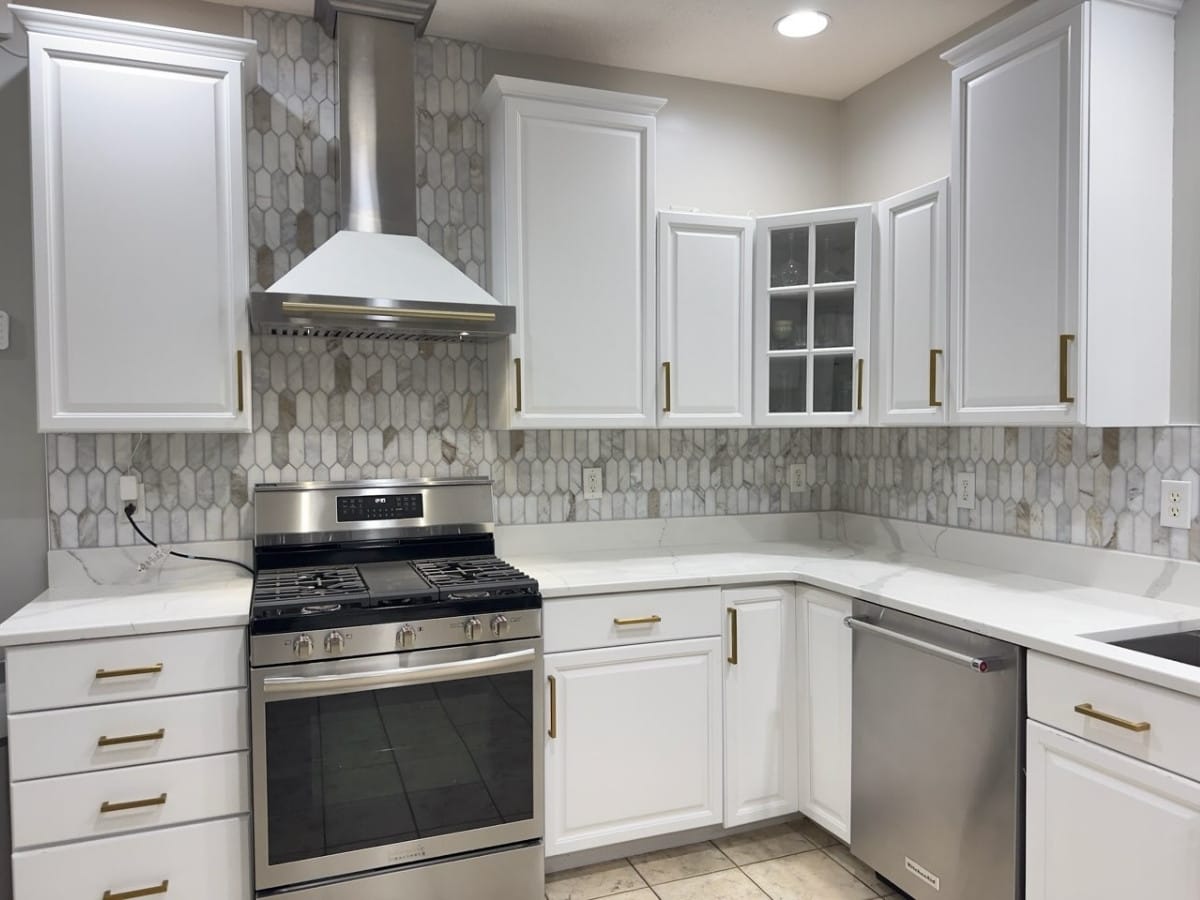
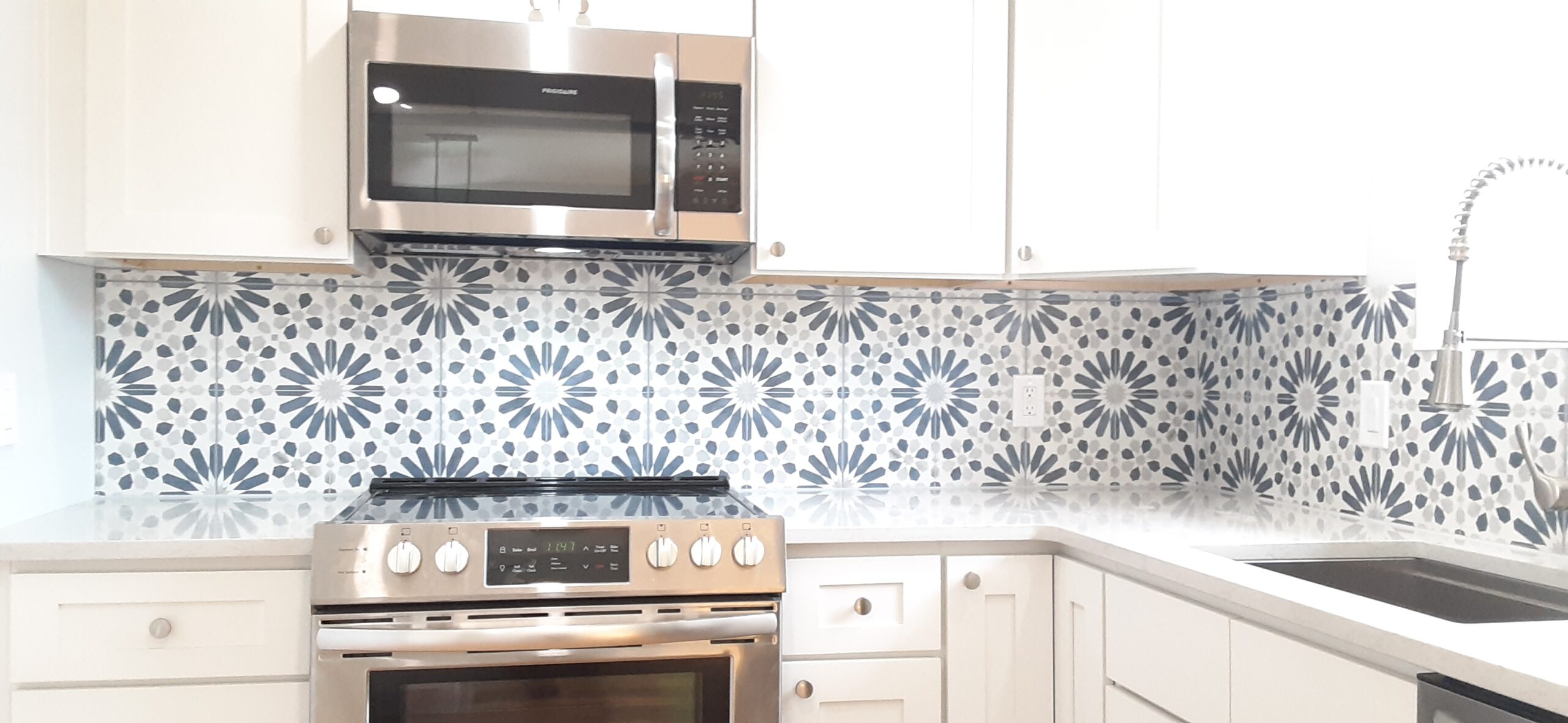
Different tile styles call for completely different grout approaches. Here's what we recommend — and what we'd avoid — for each major tile type we install.



Groutless Options — When You Want Zero Grout Lines
Some installations don't use grout at all. These aren't right for every project, but in the right application, groutless tile is stunning — and genuinely maintenance-free.
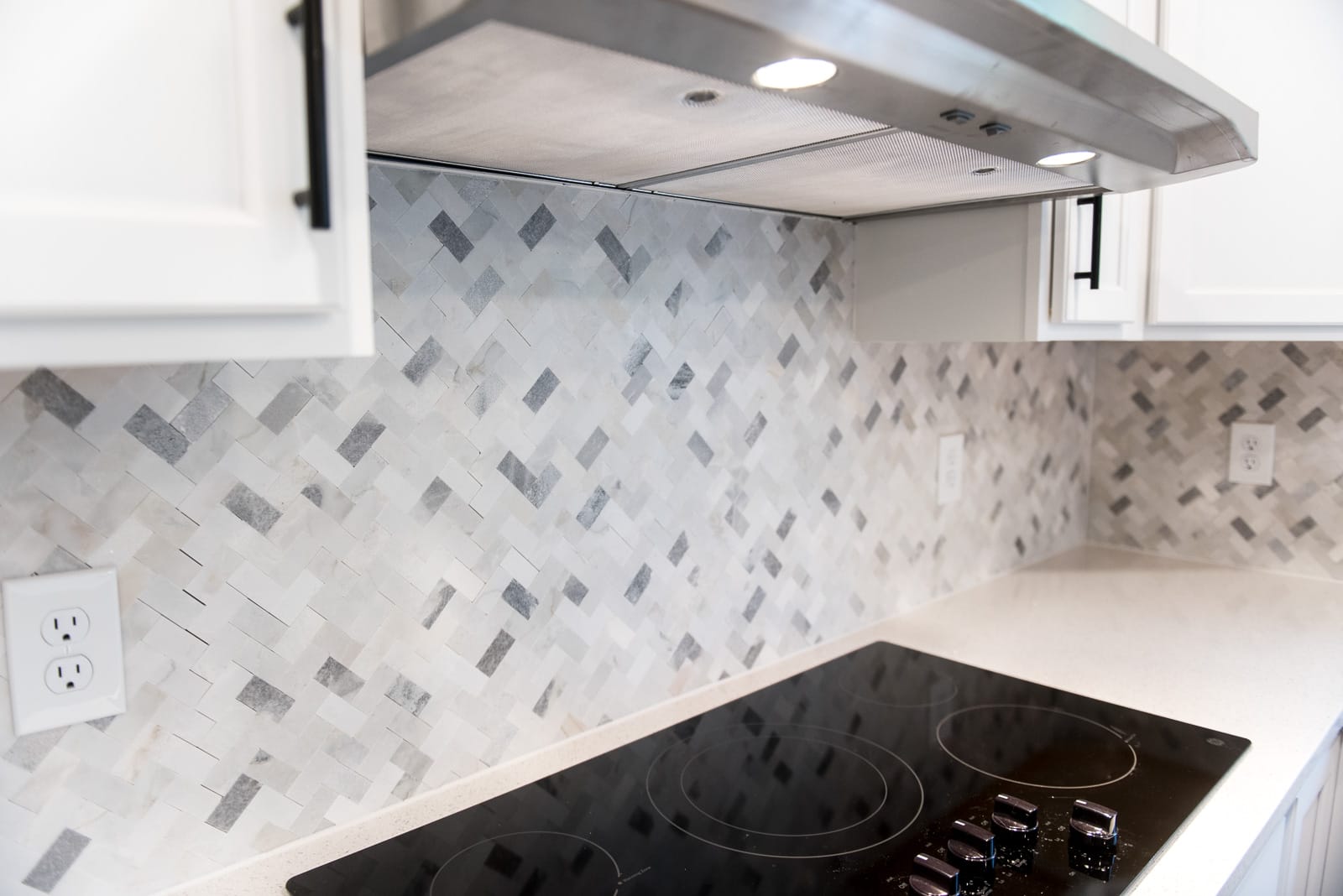
Interlocking Small Herringbone Marble
Small-format marble herringbone can be installed with near-zero visible grout — the pieces interlock tightly and the natural stone variation keeps the surface visually active enough that grout lines aren't needed. This is a premium, luxurious look that works beautifully on bathroom floors, backsplashes, and fireplace surrounds. Sealing is non-negotiable with marble — we seal before and after installation, and you'll need to reseal annually to protect against staining and etching.
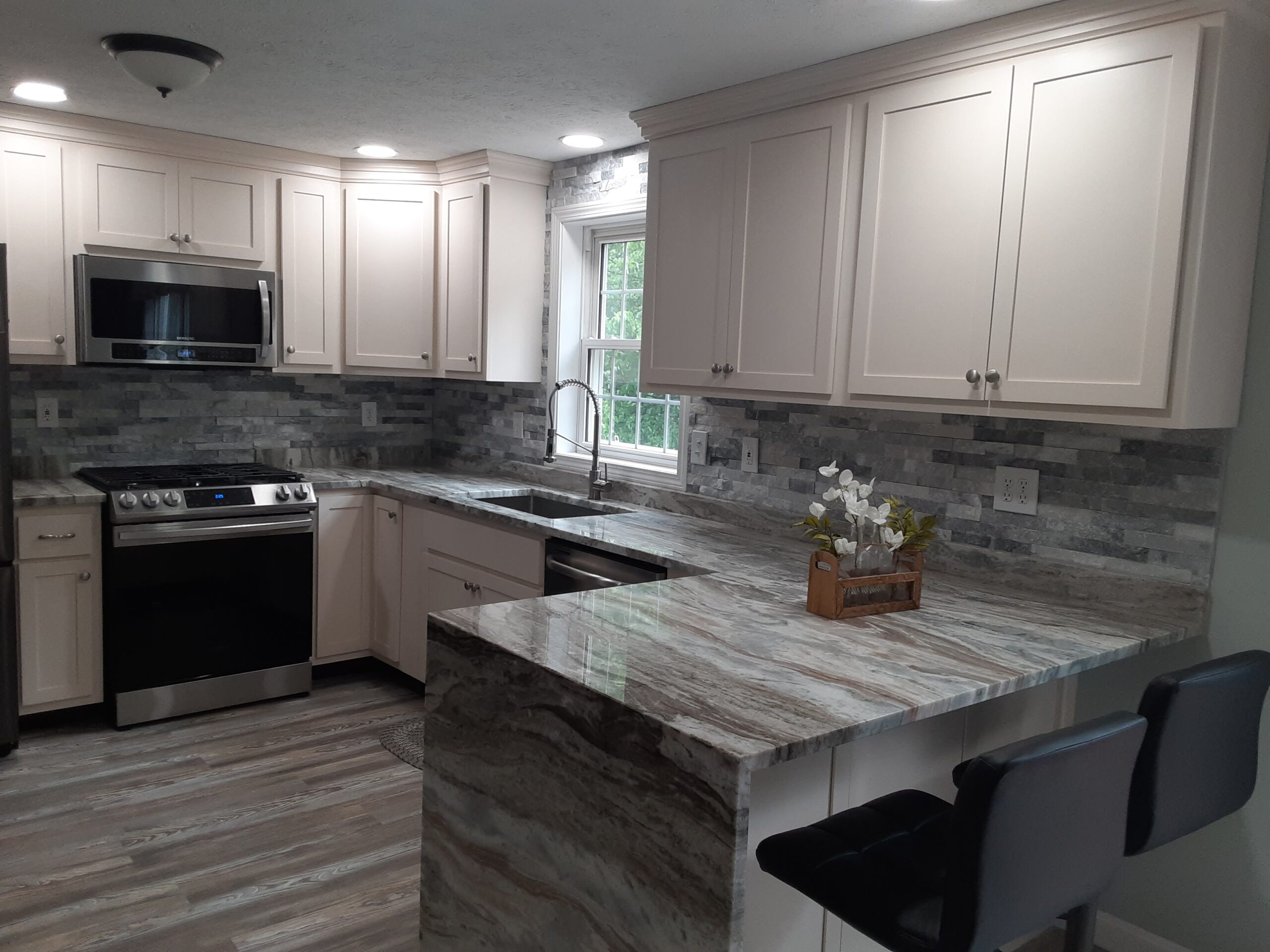
Stacked Stone — Fireplaces & Feature Walls
Stacked stone panels and ledger stone are installed as dry-stack — no grout at all. The stone pieces fit together in a natural, irregular pattern that reads as one continuous stone surface. This is the standard for fireplace surrounds, accent walls, and exterior veneers. It's completely maintenance-free from a grout perspective — there isn't any. Natural stacked stone should still be sealed if it's in a high-moisture area or fireplace with potential soot exposure.
Grout Color by Room — What We Actually Recommend
Different rooms have different maintenance realities. Here's what we recommend after 25+ years of seeing what holds up and what doesn't in New England homes.
| Room | Best Grout Colors | Why | Avoid |
|---|---|---|---|
| Kitchen Backsplash | WhitePlatinumSage Green | Backsplashes get wiped daily — any color works if you're consistent. Platinum is low maintenance. Sage green is the trending choice for 2026. | Bright white (greasy kitchens) |
| Bathroom Floor | Light Gray / LinenCharcoal | Bathroom floors get foot traffic, water, and cleaning products. Medium gray is the maintenance sweet spot. Dark grout hides more but shows dried water spots. | Pure white (stains fast) |
| Shower Walls | WhiteLight Gray | Shower walls stay wet. We use Mapei Ultracolor Plus FA for all shower applications — consistent color with fine aggregate that resists mold and efflorescence. Epoxy is for commercial kitchens, supermarkets, and fitness centers — overkill and difficult to work with in residential showers. | Cement grout without polymer (cracks in wet areas) |
| Shower Floor | Medium GrayCharcoal | Shower floors get the most water and soap scum. Darker grout hides buildup between cleanings. Always use Mapei Ultracolor Plus FA on shower floors — fine aggregate for small joints, built-in mold resistance. | White grout (shows soap scum immediately) |
| Entryway / Mudroom | CharcoalDark Gray | Mudrooms take the most abuse — salt, mud, boots, wet shoes. Go dark. This is the one room where we will always push back on white grout. | Any light grout (will look terrible in 6 months) |
| Kitchen Floor | Linen / Warm GrayCharcoal | Kitchen floors see food, grease, and constant foot traffic. Medium-dark grout is the maintenance winner here. Light gray linen is a compromise if you want a lighter feel. | White or cream (impossible to keep clean) |
| Master Bathroom | WhiteSoft Gray | Master baths get more care and attention than family baths. If you want white grout and are willing to maintain it — this is where to use it. Lower traffic, higher care. | Very dark on light stone (fights the stone) |
| Powder Room | Any color | Powder rooms are the lowest-traffic room in the house. This is where you can experiment with bold or unusual grout colors with the least maintenance risk. | Nothing — this is the room to take risks in |
Grout Color Picker
Answer three quick questions and we'll give you our honest recommendation — the same advice we'd give a client on a site visit.
What grout color should I use?
Tell us about your tile, room, and priorities and we'll give you a specific recommendation — including what to avoid.
Grout Colors We've Installed Across NH & MA
Every project below shows a real grout color decision — what we used, why, and how it looks in a finished New England home.

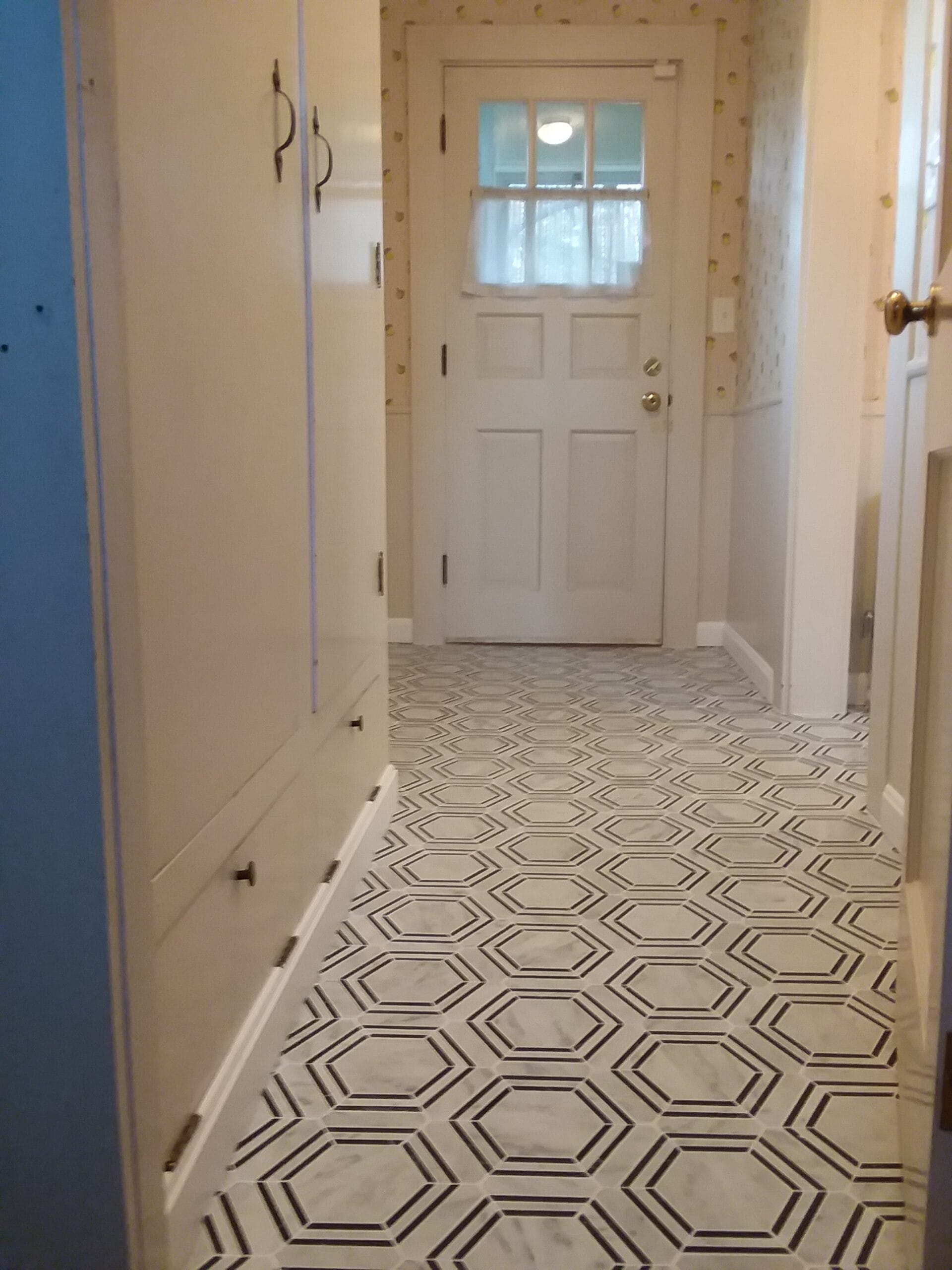
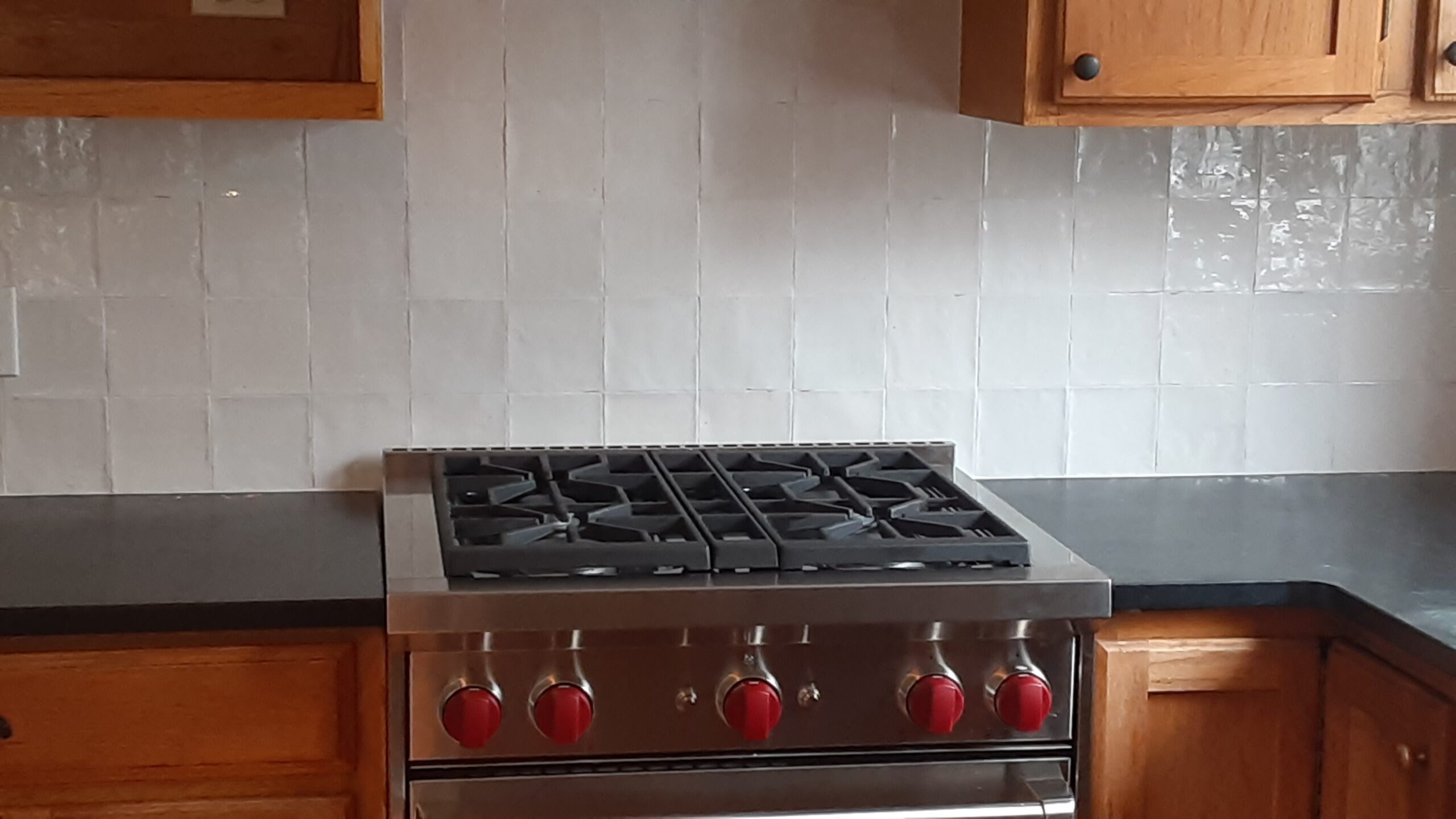

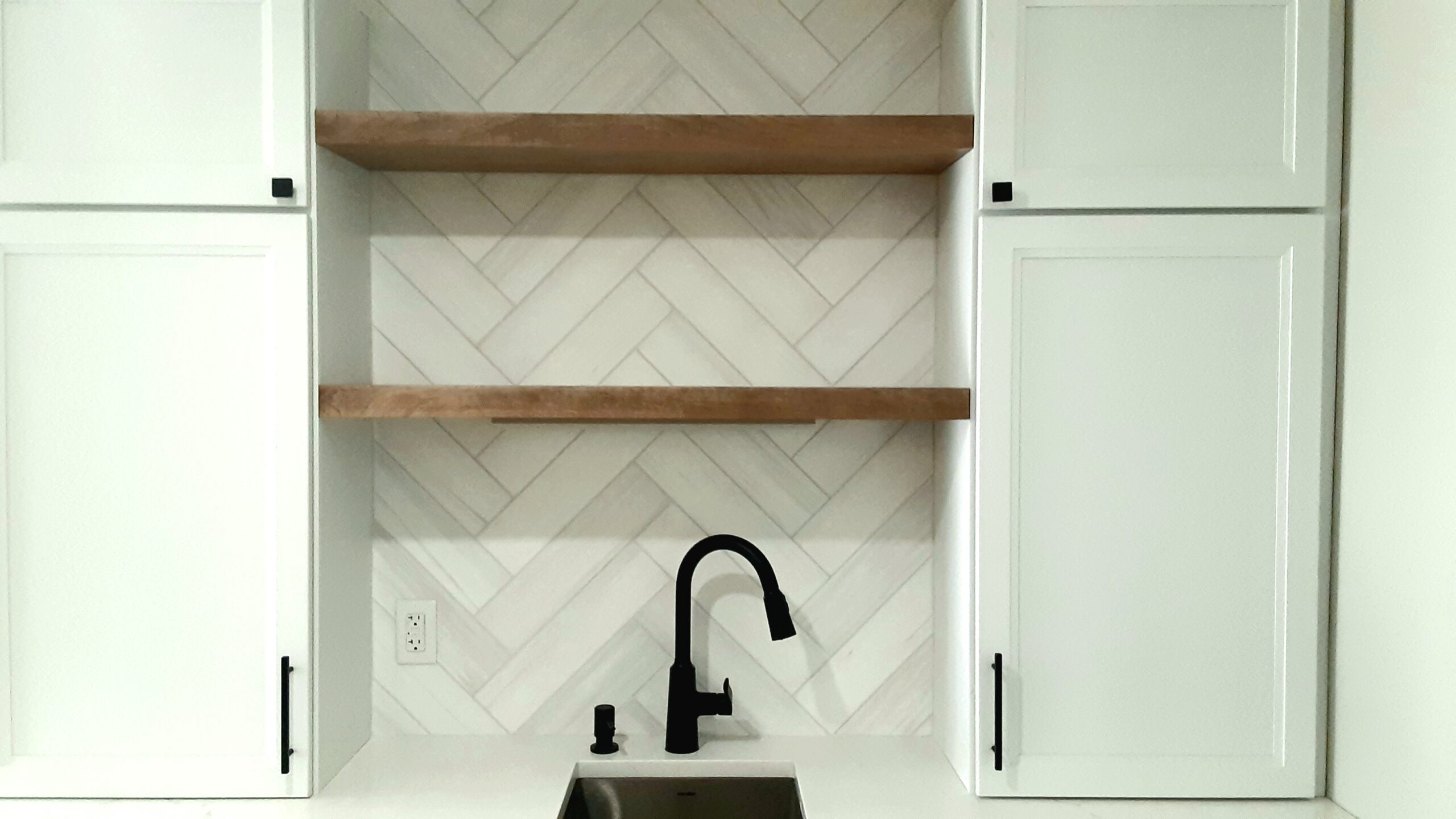
The Truth About Grout Maintenance by Color
Nobody tells you this before you choose. We do — because we've seen what happens 5 years after installation in a Southern NH or Northern MA home.
White & Light Grout
Beautiful when clean — and it needs to stay clean. White grout in a kitchen or mudroom will show every stain, splash, and scuff. In a well-maintained master bathroom or low-traffic powder room, white grout can look stunning for decades. In a family bathroom or mudroom, budget for professional cleaning every 1–2 years or accept regular scrubbing as a chore. Sealing helps significantly but doesn't eliminate maintenance.
Medium Gray & Linen
The maintenance sweet spot. Medium gray hides enough dirt that it doesn't look grimy between cleanings, but stays light enough to look bright and fresh. This is the grout color we recommend to homeowners who ask "what would you use in your own home?" It also photographs well and reads as neutral in real estate listing photos — good for resale.
Dark & Charcoal Grout
Hides dirt the best of any grout color — but shows hard water spots and dried soap scum, particularly in showers. Dark grout also tends to lighten slightly in color over time as it's cleaned, especially with bleach-based cleaners. Use pH-neutral cleaners on dark grout. On kitchen backsplashes, dark grout is nearly maintenance-free.
SAVU LLC grout sealing standard — and our preferred grout brand
We seal all grout as part of every installation — it's included in our labor quote, not an add-on. A penetrating sealer applied 72 hours after grouting significantly extends the life of any grout color, especially lighter tones. The grout we recommend for every project is Mapei Ultracolor Plus FA — it's a premium polymer-modified grout with DropEffect technology (built-in water repellency) and ultrafine aggregate for consistent, even color with no efflorescence. The color choice is entirely yours — grout color is highly subjective and personal, and we want you to love the result. What we provide is the exact Mapei product specification so you know precisely what to purchase for your specific tile and application. Epoxy grout is designed for commercial applications — commercial kitchens, supermarkets, fitness centers, and industrial floors. It's difficult to work with, unforgiving to install, and genuinely overkill for residential bathrooms and showers when Ultracolor Plus FA performs beautifully and is far more installer-friendly.
- Cement grout: seal within 72 hours, reseal every 1–2 years in wet areas
- Mapei Ultracolor Plus FA: built-in water repellency — still seal in showers for maximum protection
- Natural stone (marble, travertine, slate, limestone): seal BEFORE and AFTER grouting — stone absorbs grout pigment without a pre-grout seal
- Encaustic cement tile: same rule — seal before grouting, seal after. No exceptions.
- Epoxy grout: commercial-grade — we don't recommend it for residential. Use Mapei Ultracolor Plus FA instead.
The Most Common Grout Color Mistakes
We fix these regularly. Here's how to avoid them before your tile is set.
Choosing grout color from a tiny chip
Grout color chips are less than 1 square inch. When that color is applied across 80 square feet of floor, it reads completely differently — often darker, sometimes lighter. A chip that looks "soft gray" in the store can look almost white on a large floor or almost charcoal in a dim bathroom.
White grout in a mudroom or family kitchen
This is the most common grout regret we hear about. A family kitchen floor or mudroom entry with white grout looks stunning on day one and requires constant maintenance to look good by day 90. New England winters make this dramatically worse — salt and mud tracked in from November through April.
Using gray thinset behind zellige or glass tile
This is a technical mistake, not just an aesthetic one. Gray thinset bleeds through translucent or semi-translucent tile (zellige, glass mosaic) and permanently tints the grout lines gray — even if you chose white grout. It cannot be fixed without removing the tile.
Contrasting grout with natural stone
Dark charcoal grout on white marble or travertine turns the floor into a grid pattern — it emphasizes every tile edge and fights the natural stone veining. The result often looks like a checkerboard rather than a stone floor. Stone is about continuity; contrasting grout breaks that.
Sanded grout in small-format tile joints
Sanded grout is designed for joints wider than 1/8". Hex tile and penny tile typically have joints under 1/8". Using sanded grout in these joints causes cracking, crumbling, and an uneven surface. It also scratches polished tile surfaces during application.
Skipping grout sealing on natural stone — marble, slate, travertine
Natural stone is porous. If you grout marble, slate, or travertine without sealing it first, grout pigment permanently stains the stone surface — it soaks into the stone body and cannot be removed. We see ruined marble and slate floors from this mistake every year. This is the single most expensive grouting mistake because it usually requires replacing the stone.
Not sure which grout color is right for your project?
Send us a photo of your tile and tell us the room — we'll give you our honest recommendation before you commit to a color. It's the same advice we'd give on a site visit, and it's free.
Ask SAVU LLC — Free Grout AdviceFrequently Asked Questions About Grout Color
Ready to Choose Your Grout Color?
We'll Help You Get It Right.
Send us your tile and we'll confirm the perfect Mapei grout color — before you commit. Serving Southern NH and Northern MA since 2001.
Licensed & Insured · CTI Certified · 25+ Years Experience · Best of Houzz 2026 · Serving Southern NH & Northern MA